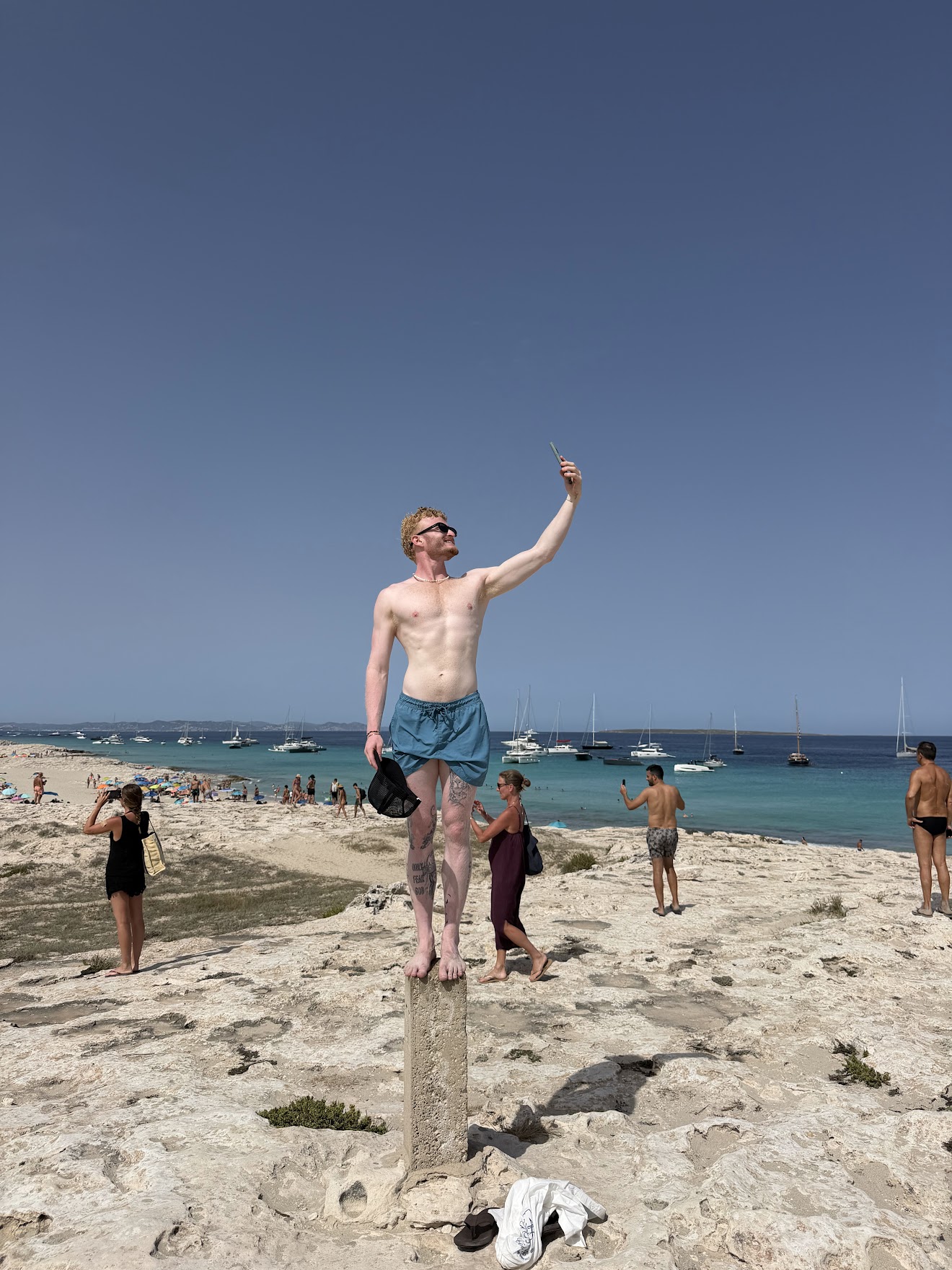
I have been lucky enough to visit more than 25 countries. I say lucky on purpose. Travel is a privilege, and every trip has felt like an opportunity I did not want to waste. Each place gave me something: a new friend, a new food, a new way of looking at a problem, or a new question about myself.
There is no single normal
The first thing travel teaches you is that there is no universal normal. The way people greet each other, eat dinner, dress, argue, celebrate and shop changes completely when you cross a border. And every version makes perfect sense to the people living it.
Once you see that enough times, you stop assuming your own perspective is the default. Growing up in a Mexican and Afghan family in California already gave me a head start on that lesson. Travel turned it into a habit.
Listening before speaking
Some of my favorite moments abroad have been the simplest: sitting in a café and watching how people interact, getting lost in a neighborhood, or talking with someone who sees the world in a completely different way. With low vision, I experience new places through more than sight. I listen closely, I ask questions, and I pay attention to sound, rhythm, and atmosphere.
Those habits made me a better listener. And listening, I have learned, is the foundation of good communication.
Culture shapes meaning
This is where travel became professional, not just personal. A message that resonates in Miami will not automatically resonate in Barcelona. A color, a gesture, a joke or a slogan can carry completely different meanings depending on who receives it. The idea might travel, but the meaning has to be rebuilt for each audience.
In marketing, this matters enormously. Good creative strategy starts with humility about how much you do not know about your audience. It means doing the work to understand their values, their humor, their routines and what makes them feel respected. Travel taught me to approach every audience as a guest first.
Bringing it into my work
Today, studying international business in Barcelona, I see these lessons everywhere. When I think about a brand, I ask how it would feel in a different city. When I look at a campaign, I ask who it includes and who it might leave out. When I build a concept, I try to keep it flexible enough to adapt and specific enough to feel real.
Fashion, lifestyle, wellness and sport are especially global, and they move across cultures quickly. That is exactly why they fascinate me. The brands that succeed internationally are usually the ones that respect local culture while keeping a clear identity.
Still curious
I still have a long list of places I have not been. But the number was never the point. The point is the mindset it builds: stay curious, listen first, and let other perspectives improve your own.
Twenty five countries gave me countless perspectives. I bring every one of them into the way I think, create and connect with people.
Back to Journal